画像処理中です...



世界の子供達をつなぐ
世界の子供達をオンラインでつなぐ!『地球市民会議』と『ごみアート国際コンテスト』



みんなの応援コメント

FOR GOOD
プロジェクト実行者が支援金を全額受け取れるよう、支援者さまからのシステム利用料(220円+決済手数料5%)により運営しています。




2026/6/22 11:47
「大学生地球ミーティング」を無事開催(日本、フィリピン、マレーシア)
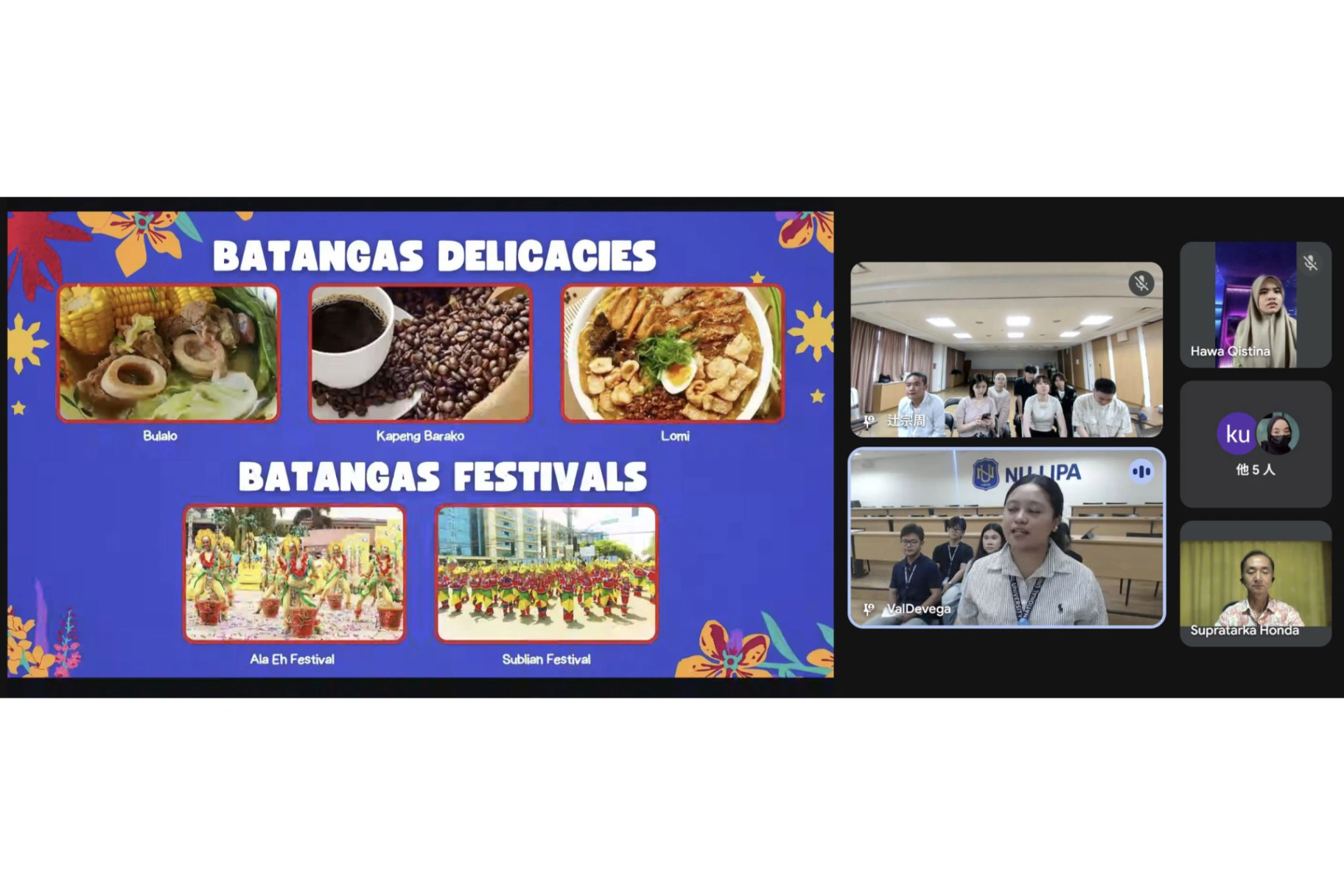
5月30日に「大学生地球ミーティング」を無事開催しました。
日本、フィリピン、マレーシアの大学生がスクリーンに一堂に会し、テーマに沿って話し合いました。
"Global Communication for University Students 2026" was held successfully on May 30th.
University students from Japan, Philippines, Malaysia gathered on a screen and communicate together according to the theme.
テーマ:「グローバル化と自国の伝統の両立とは?」
概要:
グローバル化が進むなかで、海外の便利なものが自国にもたらされているが、それにより自国の慣習、文化、先人の知恵が含まれる伝統が淘汰される可能性がある。
以上のような伝統を自国から消してしまうのはとても惜しいものと感じられ、新たな発展への兆しも潰すことになるかもしれない。
そこで海外の便利な文化、知恵と自国の伝統をどのように両立させていくべきかを考える必要がある。
Theme: "How can we find a balance between globalization and traditions?"
As globalization spreads, foreign/modern cultures and ideas are entering into every country, but this makes weaken traditional customs and cultures.
Losing these traditions would be regrettable and may reduce future possibilities.
Therefore, it is important to consider the balance between global influences and preservation of various traditions.
期 日:2026年5月30日(土) May 30th (Saturaday) 日本時間 14:00-17:00 *Japan time
参加国:
日本(神奈川) Kanagawa, Japan
横浜国立大学(Yokohama National University)
フィリピン(リパ) Lipa, Philippines
マレーシア(ペナン) Penang, Malaysia
1.地域・大学の紹介 Introduction of region & University
2.テーマに沿った議論 Discussion based on the theme
3.自由質問 Free questions
という流れで実施しました。

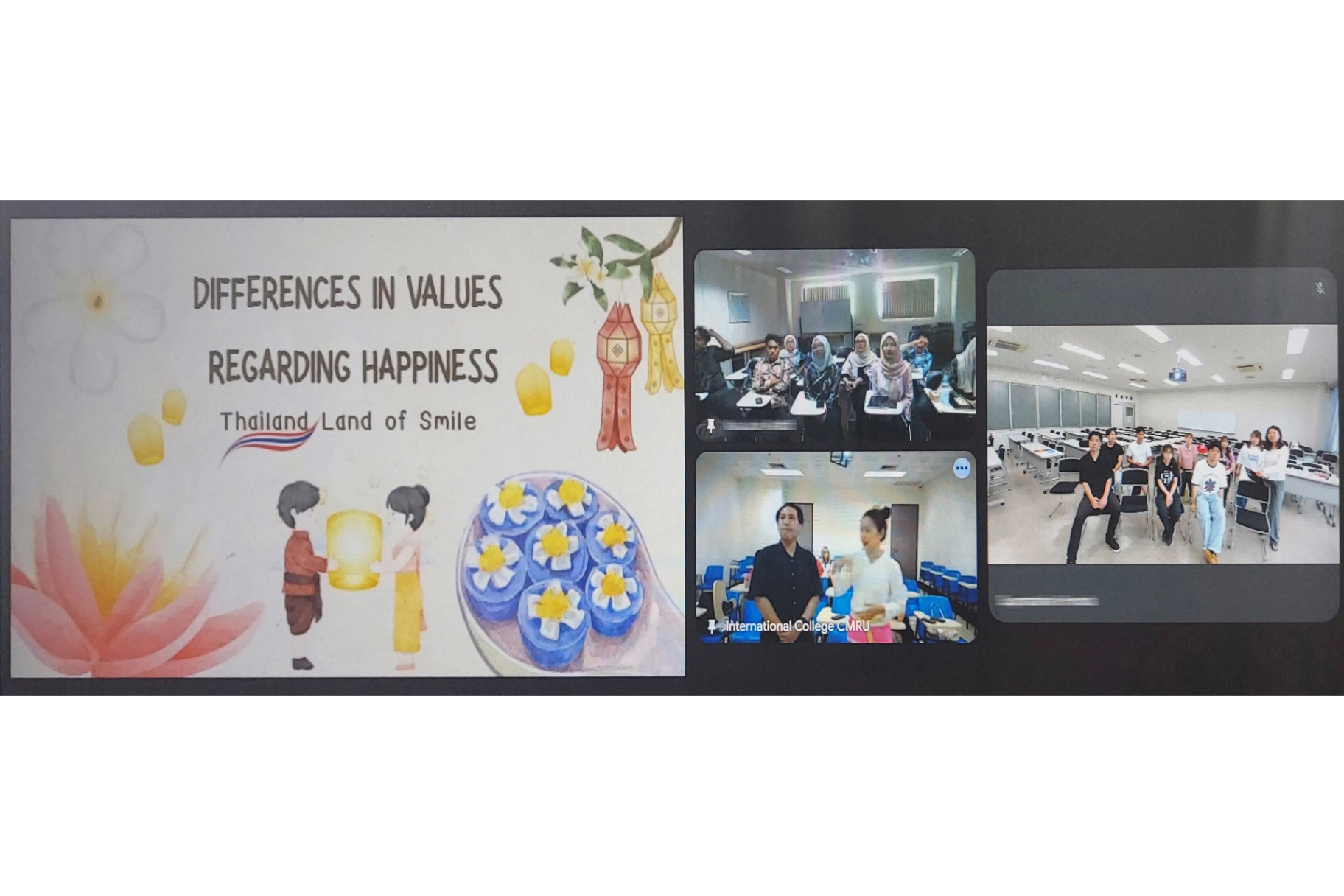
<地域・大学の紹介の様子 Introduction of region & University>


<テーマに沿った議論 Discussion based on the theme>
テーマ:「グローバル化と自国の伝統の両立とは?」
Theme: "How can we find a balance between globalization and traditions?"
「日本 Japan」


「フィリピン Philippines」


「マレーシア Malaysia」


「グローバル化と自国の伝統の両立」については、どの国にとっても大きな課題であることが分かった。
経済や文化のグローバル化の中で、自国の伝統文化が衰退していくという問題と、逆に、伝統文化を現代風にアレンジして積極的に売り出していこうという、双方向の意見が出てきたと思う。
観光地におけるオーバーツーリズムの問題など、簡単には解決できない問題も含め、お互いの課題やアイデアを共有できたことは良かったといえる。
大学生にとっても、このような機会は貴重であると実感するところである。
It became clear that "balancing globalization with traditions" is a major challenge for every country.
It seemed there were two opposing viewpoints: the problem of traditional culture declining amid economic and cultural globalization, and conversely, the idea of actively promoting traditional culture by adapting it to modern times.
It was a good experience that they could share each other's challenges and ideas, including problems that cannot be easily solved, such as overtourism in tourist spots.
We can see how valuable this kind of experience is even for university students.


リターンを選ぶ